The tradition is carried in Kikongo, in Spanish and in the language of the house, and the words a reader meets are not in any dictionary they can reach. This is what the words mean. Each entry has its own place on the page, so any one of them can be linked or sent on its own.
The tradition and the house
Nkisi Malongo The name this tradition uses for itself. Nkisi is sacred medicine and Malongo is distant lands, and the name is read both as sacred medicine in distant lands and as the spirits in distant lands. More on the name.
Palo Mayombe The name the tradition is most widely known by. It belongs to the oldest branch, and everyone got used to using it for the whole. What Palo Mayombe is.
Munanzo A spiritual house, from nzo, which means house. It is the house a person is initiated into, and the adepts of that house become part of it.
Rama A branch of the tradition. Each branch keeps its own lineage and its own way of working.
Rayamiento The initiation. The word comes from the scratching of the skin that happens before the Nganga.
Misa A ceremony held for speaking with the spirits of the dead. The Misa has its own page.
Nfinda Forest. The word is carried in the name Nkuyu Nfinda, which is Lucero.
The spirits
Nzambi God, the creator of all existence. The prayers of the tradition are addressed to Nzambi.
Mpungu The gods of the tradition. Mpungu is the singular and the plural, and it is one word either way. The Mpungu are gathered on their own page.
Kimpungulu The plural form of Mpungu. It is the same word and not a separate thing.
Nfumbe A spirit that a Tata makes a pact with, housed in the Nganga. Tata Nfumbe is Kobayende, the father of spirits.
The objects and the tools
Nganga The cauldron that houses the Nfumbe. The word originally meant a priest or a spiritual specialist, and that is where it comes from.
Nkisi Sacred medicine, and the spirits that make the medicine sacred. The same word is used for the consecrated objects a house keeps.
Makuto A charm.
Patipemba A sign drawn on the ground in chalk or powder to call the spirits. What a patipemba is is set out on its own page.
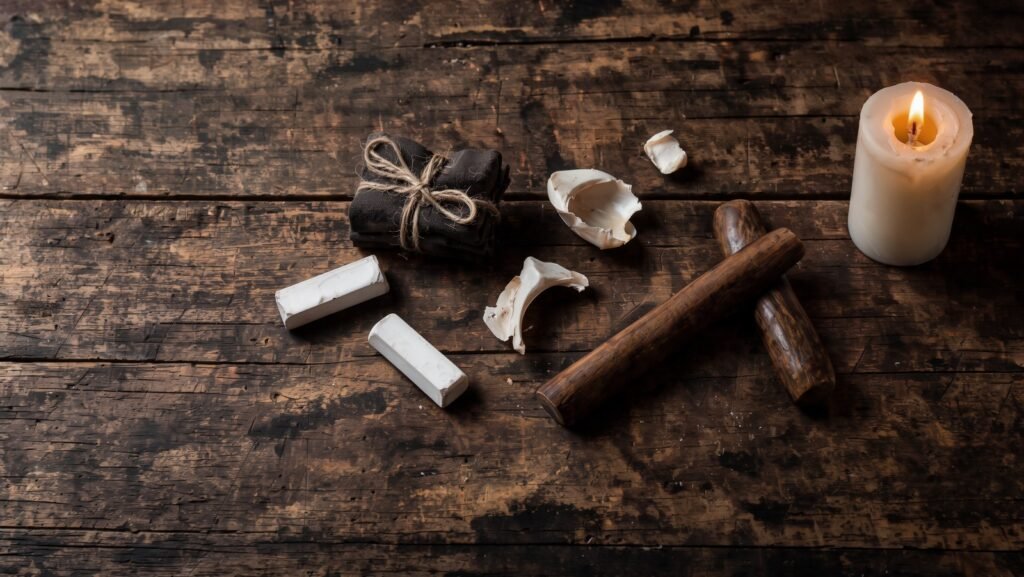
Mpemba The chalk used for drawing. It is made from crushed white egg shell.
Nkondi A statue with nails and other objects driven into it, made for defense or for attacking.
Chamalongos The coconut shells used in divination.
Vititi Mensu, Mpaka Instruments used in divination.
Dimbri A beaded sash worn from the neck across the shoulder like a flag rather than like a necklace.
The people
Tata Father. The title for a male elder, and for one who has been given the secrets to enter the priesthood.
Yaya Mother. The title for a female elder, and for one who has been given the secrets and the status of a priestess.
Ngeyo A new initiate.
Chichiriku Bushmen.
Ndoki Sorcerer.
Palero A slur, and a disrespectful one. It means stick guy, or man who works with sticks. It is not the name of anything, and it is not how a person in the tradition is addressed.
Tata Nkisi Malongo Father of Spirits in Distant Lands.
The words keep coming
These are the words a reader meets first. The list grows as the pages here grow, and every term that has a page of its own is linked above.